

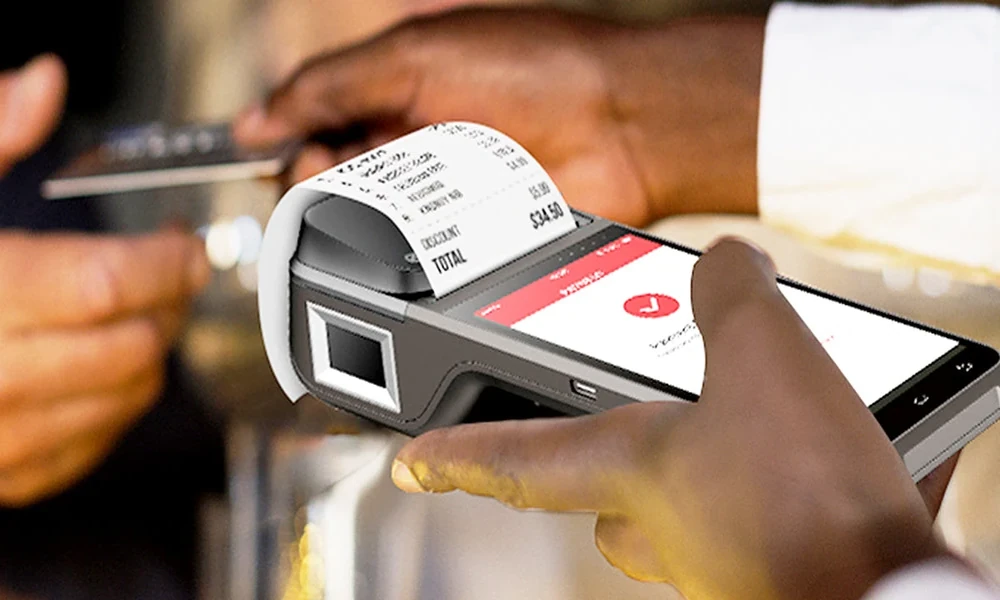
Reliable payment handling helps businesses record transactions clearly while keeping daily sales figures organised. An effective pos payment system connects checkout activities with useful records that owners can review without confusion. It reduces manual work and supports better decisions. Clear information helps managers review performance, control errors, and maintain dependable financial records. Choosing suitable tools also supports consistent operations as business needs grow.
Clear Daily Revenue Summaries
Daily summaries show total sales across selected periods. Managers can compare recorded amounts against payment receipts to identify differences before preparing regular accounts.
Reliable Payment Method Identification
Recording each payment type helps businesses understand how customers settle purchases. Separate totals make it easier to check received amounts and spot reporting gaps.
Improved Refund Tracking Procedures
Refund records explain why money was returned and which transaction was affected. Linking adjustments to original purchases keeps sales summaries clear and reduces confusion.
Accurate Inventory Record Updates
Connecting checkout records with stock details helps teams monitor item movement. Regular updates can reveal differences between recorded sales and available quantities.
Better Staff Sales Monitoring
Individual sales records help managers review activity across shifts. Clear access rules protect private information while supporting fair performance checks and accurate daily summaries.
Simple Report Creation Tools
Built in reporting tools turn transaction records into readable summaries. Managers can select useful dates and categories without manually calculating every amount.
Secure Access To Financial Records
Permission settings limit sensitive information to approved employees. Unique accounts and regular access reviews reduce the risk of unwanted changes or unauthorized viewing.
Easier Reconciliation Of Payments
Payment reconciliation compares recorded transactions with processor statements and bank deposits. Checking these figures regularly helps teams locate missing payments and incorrect entries.
Flexible Business Reporting Options
Different reports serve different management needs. Useful views include daily revenue summaries, refund totals, payment method breakdowns and comparisons across selected reporting periods.
Consistent Records Across Multiple Terminals
Connected checkout terminals can send sales information into one shared record system. This gives managers a broader view of activity without combining separate files manually.
Useful Insights For Business Planning
Sales reports reveal changes in transaction volume and purchasing patterns. Managers can use these findings to adjust staffing, plan stock levels and set practical targets.
Regular System Review And Maintenance
Scheduled checks help keep reporting tools dependable. Updating software, reviewing access permissions and testing backups can prevent avoidable interruptions or gaps in business records.
Practical Ways To Improve Accuracy
Businesses can strengthen reporting quality through consistent procedures. Staff training and regular checks help maintain dependable information throughout daily operations.
- Verify transaction totals before closing each shift.
- Compare processor statements with recorded payment amounts.
- Review refunds and cancelled purchases for unusual activity.
- Restrict editing access to authorized employees.
- Save regular backups of important transaction records.
Accurate reporting depends on suitable software and consistent staff procedures. Businesses should connect transaction records with payment statements, review discrepancies promptly and protect sensitive details. When a pos payment system with sales records, staff can check completed purchases, identify missing entries and prepare reports more easily. Regular checks also help maintain reliable figures as operations expand. Selecting tools that match actual needs can reduce manual effort while giving managers clear information for informed decisions.
