

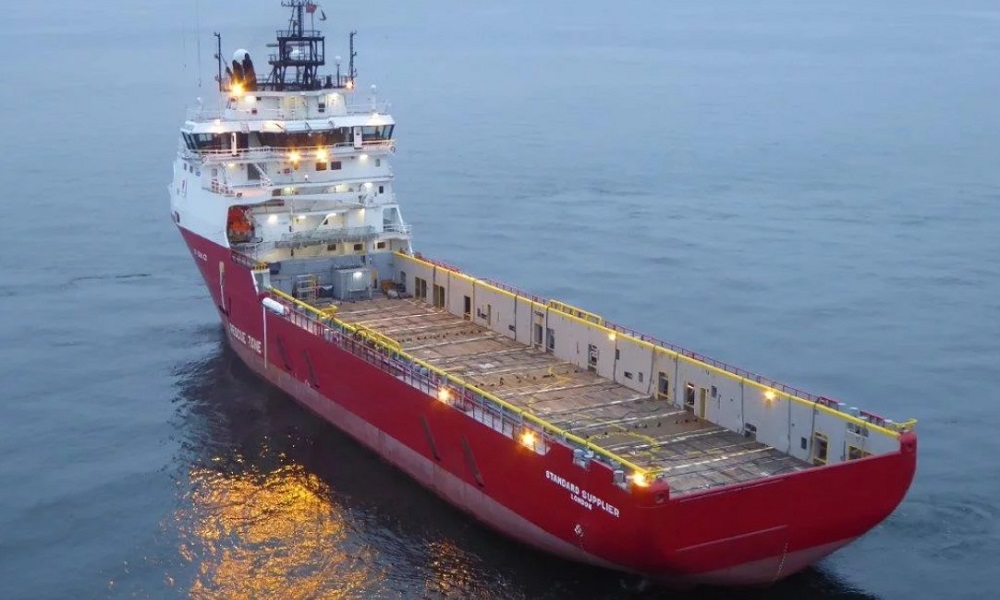
Offshore energy production depends on a complex network of platforms, subsea systems, and logistics operations working together seamlessly. Behind every successful offshore installation stands a fleet of specialized vessels that ensure continuous supply, maintenance, and personnel support. Among these vessels, the PSV vessel plays one of the most critical roles.
A Platform Supply Vessel, commonly known as a PSV vessel, serves as the logistical backbone of offshore oil, gas, and renewable energy operations. It transports essential cargo, fuel, equipment, and provisions between shore bases and offshore facilities. Without reliable PSV support, drilling platforms, production units, and wind farms would struggle to operate efficiently.
In recent years, PSV vessels have evolved significantly, integrating advanced navigation systems, environmental technologies, and safety features. Understanding how these vessels operate, what capabilities they offer, and how they support offshore activities is essential for maritime professionals, students, and industry stakeholders.
This comprehensive guide explains the role of the PSV vessel in modern offshore operations, explores its design and technical features, and highlights its importance in maintaining safe and efficient offshore supply chains.
Understanding the Role of a PSV Vessel in Offshore Operations
A PSV vessel is a specialized ship designed primarily to transport supplies and materials to offshore installations. Unlike conventional cargo ships, it is engineered to operate in close proximity to platforms and floating units, often under challenging weather and sea conditions.
The primary purpose of a PSV vessel is to maintain the steady flow of goods required for offshore operations. This includes drilling materials, chemicals, fuel, food, spare parts, and technical equipment. These deliveries must be timely and accurate to prevent operational delays.
Beyond transportation, PSV vessels also support offshore projects through waste removal, backloading of unused materials, and emergency response assistance. Their flexibility makes them indispensable in offshore logistics.
As offshore activities expand into deeper waters and remote regions, the importance of reliable PSV support continues to grow.
Evolution of PSV Vessel Design and Technology
Early Development and Traditional Functions
In the early days of offshore exploration, supply operations relied on modified cargo ships and small utility vessels. These ships lacked specialized cargo systems and struggled in harsh environments.
Over time, the industry recognized the need for purpose-built vessels. This led to the development of dedicated PSV vessels with open deck space, specialized tanks, and enhanced maneuverability.
These early designs laid the foundation for modern offshore supply fleets.
Modern PSV Vessel Innovations
Today’s PSV vessels incorporate advanced engineering solutions. Dynamic positioning systems, automated cargo monitoring, and energy-efficient propulsion are now standard features.
Modern vessels are designed with improved stability, larger deck areas, and higher payload capacities. Digital navigation and communication systems enhance operational safety and coordination.
These technological advancements allow PSV vessels to operate reliably in deepwater and harsh-weather regions.
Key Design Features of a PSV Vessel
Deck Layout and Cargo Handling Systems
One of the most distinctive features of a PSV vessel is its large open aft deck. This area is used to carry containers, pipes, drilling equipment, and construction materials.
The deck is reinforced to support heavy loads and equipped with lashing points to secure cargo. Crane systems and deck machinery assist in loading and unloading operations.
Efficient deck design improves turnaround time and reduces handling risks.
Specialized Tank Systems
Below deck, PSV vessels are fitted with multiple tanks designed for different cargo types. These include tanks for fuel, drilling fluids, potable water, brine, and chemicals.
Each tank system is isolated to prevent contamination. Automated monitoring systems track volume, temperature, and pressure.
This arrangement enables a single vessel to transport diverse cargo safely and efficiently.
Propulsion and Maneuvering Capabilities
PSV vessels require exceptional maneuverability to operate close to offshore structures. They are equipped with powerful main engines, bow thrusters, and stern thrusters.
Dynamic positioning systems allow the vessel to maintain precise position without anchors. This is essential when working near platforms or subsea installations.
Reliable maneuvering systems enhance safety and operational accuracy.
Accommodation and Crew Facilities
Modern PSV vessels provide comfortable accommodation for crew members. Cabins, mess areas, recreational spaces, and medical facilities support long deployments.
Good living conditions improve crew morale and performance, which directly affects operational efficiency.
Operational Functions of a PSV Vessel
Supply and Logistics Support
The primary function of a PSV vessel is to deliver supplies from onshore bases to offshore facilities. These deliveries are carefully scheduled and coordinated with platform operations.
Cargo manifests, loading plans, and safety checks ensure accurate and secure transportation.
Efficient logistics management minimizes downtime and supports continuous production.
Backloading and Waste Management
PSV vessels also transport waste materials and unused equipment back to shore. This process, known as backloading, supports environmental compliance and site cleanliness.
Waste handling systems are designed to meet strict regulatory standards. Proper segregation and containment reduce environmental risks.
Backloading is a vital component of responsible offshore operations.
Emergency Response and Standby Support
In emergency situations, PSV vessels can provide immediate assistance. They may support evacuation, firefighting, towing, or medical response.
Many vessels are equipped with firefighting systems and rescue equipment. Their proximity to offshore installations makes them valuable first responders.
This emergency readiness enhances overall offshore safety.
Navigation and Safety Systems on PSV Vessels
Advanced Navigation Technology
Modern PSV vessels rely on integrated navigation systems that combine radar, GPS, electronic charts, and automatic identification systems.
These tools improve situational awareness and collision avoidance. Real-time weather data supports route planning and risk management.
Accurate navigation is essential in congested offshore fields.
Dynamic Positioning and Station Keeping
Dynamic positioning systems use satellite data and onboard sensors to maintain vessel position automatically.
This capability is critical during cargo transfer, subsea work, and maintenance operations. It reduces reliance on anchors and minimizes seabed disturbance.
Well-maintained positioning systems are central to PSV safety.
Safety Management and Compliance
PSV vessels operate under strict safety regulations. Comprehensive safety management systems govern procedures, training, and risk assessment.
Regular drills, inspections, and audits ensure compliance with industry standards. Safety culture is embedded in daily operations.
Effective safety management protects personnel, assets, and the environment.
PSV Vessel Support in Offshore Wind and Renewable Energy
While traditionally associated with oil and gas, PSV vessels now play an important role in offshore renewable energy projects. Wind farms and marine energy installations require regular supply and maintenance support.
PSV vessels transport spare parts, tools, and technicians to wind turbine sites. Their deck space and maneuverability make them suitable for these operations.
As renewable energy expands, PSV vessels are adapting to new operational requirements.
Environmental Responsibility and Sustainability
Emission Control and Fuel Efficiency
Environmental performance has become a major focus in PSV vessel design. Modern vessels use fuel-efficient engines, hybrid systems, and emission reduction technologies.
Energy management systems optimize fuel consumption and reduce greenhouse gas emissions.
Sustainable operations enhance regulatory compliance and corporate responsibility.
Waste and Pollution Prevention
PSV vessels are equipped with waste treatment systems, oil spill response equipment, and pollution control measures.
Strict procedures govern fuel handling, bilge management, and chemical storage. These practices minimize environmental impact.
Responsible environmental management is central to modern offshore support.
Economic Importance of PSV Vessels
PSV vessels are critical assets in offshore supply chains. Their efficiency directly affects operational costs and project profitability.
Reliable supply services reduce production interruptions and maintenance delays. Optimized routing and scheduling improve fleet utilization.
Investing in high-quality PSV vessels supports long-term financial performance.
Challenges in PSV Vessel Operations
Despite technological advances, PSV operations face challenges. Harsh weather, remote locations, and regulatory complexity increase operational risk.
Crew shortages, rising fuel costs, and environmental regulations add further pressure.
Effective training, maintenance, and management are essential to overcome these challenges.
Frequently Asked Questions About PSV Vessels
What is the main purpose of a PSV vessel?
A PSV vessel transports supplies, fuel, equipment, and provisions between shore bases and offshore installations.
How is a PSV vessel different from other offshore vessels?
It is specifically designed for supply and logistics support, with specialized decks and tank systems.
Do PSV vessels operate only in oil and gas?
No, they also support offshore wind farms and other marine energy projects.
What is dynamic positioning on a PSV vessel?
It is a system that automatically maintains vessel position using thrusters and satellite data.
How long do PSV vessels stay offshore?
Deployment periods vary, but they may operate for several weeks depending on project needs.
Are PSV vessels environmentally friendly?
Modern PSV vessels incorporate technologies to reduce emissions and prevent pollution.
Conclusion
The PSV vessel is a cornerstone of modern offshore operations, providing essential logistical, technical, and emergency support to energy installations around the world. Through specialized design, advanced navigation systems, and versatile cargo capabilities, these vessels ensure that offshore platforms and renewable energy sites remain productive and safe.
From transporting critical supplies to supporting environmental compliance and emergency response, PSV vessels perform a wide range of functions that sustain offshore industries. Their continued evolution reflects the changing demands of energy production, sustainability, and safety.
As offshore activities expand into deeper waters and renewable sectors, the importance of the PSV vessel will only increase. By combining operational reliability, technological innovation, and responsible management, these vessels will remain vital partners in supporting the future of offshore development.
